House removals in London
![A professional house removal service technician in a blue uniform is inside a residential property or moving van, handing over a medium-sized, plain cardboard box to a customer whose hand is visible in the foreground. The technician is smiling and standing in front of a collection of packed boxes and wrapped items, including a large white bag, all situated within the interior of a house or moving vehicle. The scene depicts a typical house removal process, with carefully packed belongings ready for relocation, set against a neutral, indoor environment with visible walls and ceiling. The background features more packed items arranged for transportation, highlighting an organized approach to household moves. The setting is consistent with house removals in London or surrounding areas, subtly supporting local SEO for [POSTCODE] or [TOWN]. The overall scene emphasizes careful handling of household goods typical of a professional removals company like House Removals, specializing in residential moves across the UK.](/pub/_photos/removals/f1218279984.jpg)
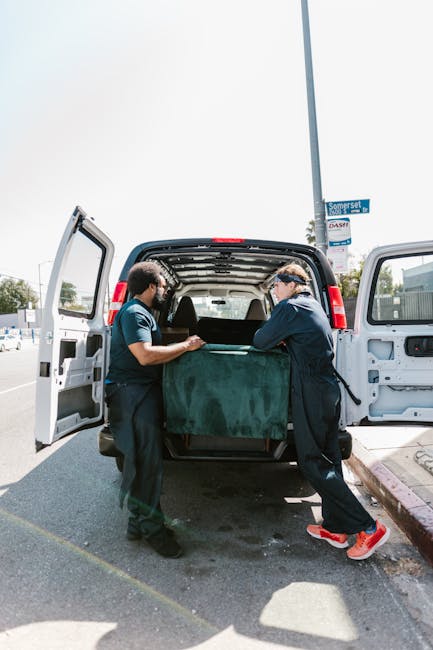
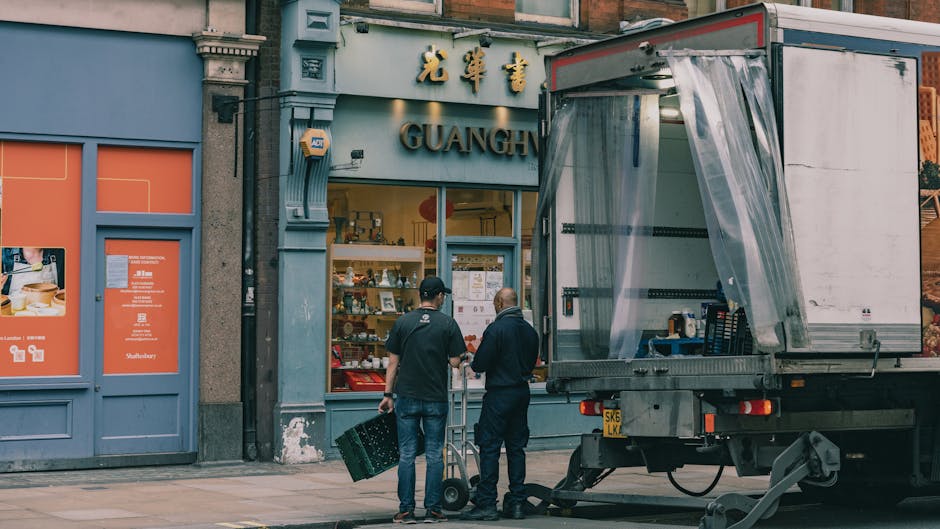
House removals in London need a steady plan, practical handling and clear communication from the first lift to the final placement of furniture. Our service covers domestic moves of many sizes, including full-property relocations, partial moves and the careful transport of individual items when you only need selected furniture moved. We work with people who want a tidy, orderly move rather than a rushed dash, and we focus on making the process easier to manage from the outset.
We can support a move with packing and unpacking services, which helps when fragile household contents, kitchenware or boxed belongings need organised handling before transit. When a move involves a business as well as a home, our commercial moves page gives a sense of the wider relocation work we can arrange. For homeowners, the central aim is straightforward: move belongings safely, keep the day organised and reduce avoidable disruption.
To request a quotation, it helps to set out what is being moved, how much access is available and whether there are items that need particular care. If you are comparing options, ask for a clear breakdown of the move rather than a vague estimate. You can also use the contact routes on the site to start an enquiry in your own time and decide what level of support suits the property and contents best.
Domestic moving services for different household sizes
A house move is rarely just about carrying boxes. It usually involves planning the order of loading, making sure rooms are cleared in a sensible sequence and keeping an eye on furniture that needs dismantling or reassembly. Our domestic service is designed around that kind of practical work. Whether the property is a flat, terrace or larger family home, the move can be organised so that the most awkward items are handled with care and the rest of the load is kept stable and easy to unload.
For some customers, the priority is a simple home moves service that focuses on the main household contents. Others need a broader removals option with transport for mixed belongings, which is where our removals page fits into the picture. The difference is often in scope rather than principle: a good move should match the amount of furniture, the volume of boxes and the level of assistance needed at either end of the journey.
Useful information for a quotation usually includes the number of rooms, access details, parking limits, stairs, lifts and whether you want only loading and transport or a fuller service. A short list works well if it identifies bulky furniture, fragile pieces and anything that must be moved first. If you already know you will need help with packing as well as moving, mentioning that early makes the plan easier to shape.
Planning the move around access, timing and preparation

The practical side of moving often comes down to access. Narrow hallways, top-floor flats, shared entrances and limited parking can all affect how a move is carried out, so the more accurately these points are described, the easier it is to prepare. Good planning does not mean overcomplicating the day; it means matching the vehicle, team size and loading sequence to the property so that items can be moved with a proper flow.
Our house removalists page and related house movers page reflect the same domestic focus with slightly different wording, which can be useful if you want to compare service descriptions before making contact. If you need the vehicle side alone, the moving truck information may be relevant, while the removals van option suits lighter moves where a smaller load is more practical. Choosing the right scale helps prevent unnecessary trips or wasted space.
Before you ask for a quote, it is worth checking which large items may need dismantling, whether appliances are disconnected, and whether there are special access rules at either property. Small details often matter, because a move can be delayed by something as simple as an awkward staircase or a parking restriction. Keep the enquiry concise but informative, and the response should be easier to compare with other options.
Handling furniture, fragile items and mixed household contents
House removals are about more than simply moving the obvious furniture. Sofas, wardrobes, beds and tables are only part of the job; lamps, mirrors, framed pictures, electronics and boxed household items often need a steadier hand because they are more vulnerable to knocks or crushing. We pay attention to how items are wrapped, stacked and secured so that heavier pieces do not sit on top of delicate belongings during transport.
For items that need direct, practical handling, our furniture pick-up page is useful when you only need certain pieces collected and delivered. If you are comparing a general household move with a lighter collection service, the man and van and man with van pages show the kind of smaller-scale transport that can suit a limited load. The right choice depends on volume, weight and how much help you want at each end.
A sensible removal plan also considers how the load will be balanced. Heavy boxes should not be mixed carelessly with breakable household goods, and furniture with shelves, doors or drawers may need simple securing before transit. If you are uncertain what should be packed separately, tell us which items worry you most and which rooms hold the bulkiest contents. That gives a better basis for recommending the right approach.
Service options that support a smooth house move

Some moves benefit from combining house removals with a few practical extra services. Packing help can reduce pressure in the days before moving, while a smaller vehicle may be suitable for select items or for jobs where access is restricted. The aim is not to over-sell the service but to match the moving plan to the household itself. That may mean a larger vehicle, a smaller load, or a more structured loading sequence depending on the property and contents.
There are several related service pages that can help you understand the options. The removal company page covers the wider business model behind household relocations, while removal services gives a broader view of the type of work often included. If you need a hire-based transport arrangement, removal truck hire may be useful; if you prefer a van-led move, moving van and man and van removals can help you assess the smaller end of the market.
Where a move is straightforward, the main decisions are usually about timing, load size and whether you want help packing, lifting or both. Where it is more complex, the useful questions are about access, furniture handling and how the items should be protected on route. If you need a quote, ask for the option that best reflects the actual workload rather than the simplest headline price.
How we approach loading, transport and unloading
A good removal day follows a simple pattern: prepare the load, move items in a stable order, secure everything during transport and unload carefully at the destination. That sounds straightforward, but the quality lies in the detail. Heavier furniture should be positioned so it does not shift, delicate pieces should be set aside from rougher items and each stop should be managed with enough time to avoid rushed handling.
If you are comparing service pages, house removals is the core domestic option, while house movers may appeal if you want a more straightforward label for the same kind of work. Some customers prefer a concise route into the service through removals near me, though the real value is in checking whether the service scope matches the property, contents and access conditions rather than relying on wording alone.
When preparing the move, it helps to think in stages: what needs to be loaded first, what should be kept separate, and what must be immediately available at the new home. That might include keys, important documents, phone chargers or a small essentials box. These are simple decisions, but they make the first hours after arrival much easier and reduce the likelihood of searching through sealed boxes for everyday items.
About London
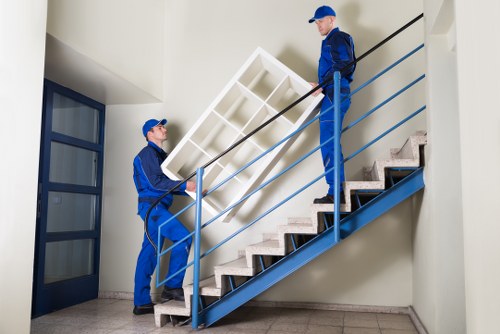
London is a large and historically layered city shaped by the River Thames, Roman origins, medieval growth and centuries of global trade, government and culture. Its geography is distinctive: the central Thames corridor curves through a dense urban landscape, while boroughs spread outward into varied neighbourhoods with their own high streets, green spaces and architectural character. The City of London remains the historic core, but the modern metropolis extends far beyond it, incorporating Westminster, the South Bank, the West End and a wide ring of residential districts. Across the city, transport lines, bridges and river crossings link areas that developed at different times and in different styles. Landmarks such as the Houses of Parliament, St Paul’s Cathedral, the Tower of London and the British Museum sit alongside markets, theatres, museums and public squares that continue to shape daily life. Parks are a major part of the landscape too, from Hyde Park and Regent’s Park to larger open spaces in outer districts, while smaller commons and squares give many neighbourhoods a quieter rhythm. The built environment is equally varied: Georgian terraces, Victorian mansion blocks, post-war estates, modern towers and restored warehouse conversions all appear within a relatively short distance of one another. That mix gives London a character that is both historic and constantly changing, with each district contributing a different piece to the city’s wider identity.
Some homes need more than transport alone. If your move includes careful wrapping or the coordination of multiple rooms, our packing and unpacking services can sit alongside the removal itself. For those comparing costs and options, the pricing and quotes page is the best place to think about what affects the overall figure, including access, volume and service scope. That kind of comparison is often the clearest way to decide what level of help is appropriate.
One useful way to request a quotation is to describe the move in practical terms: property type, rooms involved, furniture count, access points and any awkward or fragile items. You do not need a long explanation, but enough detail helps avoid guesswork. If you want to discuss moving as part of a bigger plan, our contact us page is the final place to send that enquiry and begin shaping the job properly.
Additional moving support for mixed domestic and small business needs

Not every removal is a simple single-load house move. Some customers need support with both household contents and a small number of work items, while others require a service that can manage a home office, stored equipment or bulky pieces that are not part of everyday domestic furniture. In those cases, it helps to look at the wider range of moving pages so the enquiry reflects the real task rather than a simplified label. Clarity at this stage can make planning easier and reduce the risk of underestimating the work involved.
For related commercial and mixed-use moves, the office relocation services page is relevant when desks, chairs, cabinets or work equipment need moving with care. The office removals page covers the broader office side, while movers offers a general route into the moving service set. If you are looking for a combination of vehicle and handling support, man with a van and man with van removal give additional wording options that may match the type of enquiry you want to make.
When you are ready to ask for a quotation, keep the request focused on the actual job: what needs to move, where it starts, where it ends and whether you want packing, loading, transport or unloading included. That gives a better basis for comparing like with like. If you are ready to begin, send the details through the contact us page and ask for the most suitable house removals quotation.